


NuroNest is a research initiative developing an application tool that analyzes photos of indoor environments to identify design-related risks for older adults and individuals living with dementia. By combining computer vision with evidence-based design principles, the project helps families, caregivers, care providers, and designers create safer, more supportive spaces.
Creating safer, more accessible environments
SCOPE
Status: Functional Prototype
Research Area: Artificial Intelligence, Computer Vision
Application: Aging & Dementia Care
Lead: Dr. Mohamad Nadim Adi
Project Overview
As populations age, ensuring safe and accessible environments becomes increasingly critical. According to the World Health Organization (WHO), the global population aged 60 years and older is expected to double by 2050, reaching 2.1 billion people. This demographic shift presents new challenges in urban planning, healthcare, and residential design, particularly in ensuring that environments support mobility, safety, and independence for older adults.
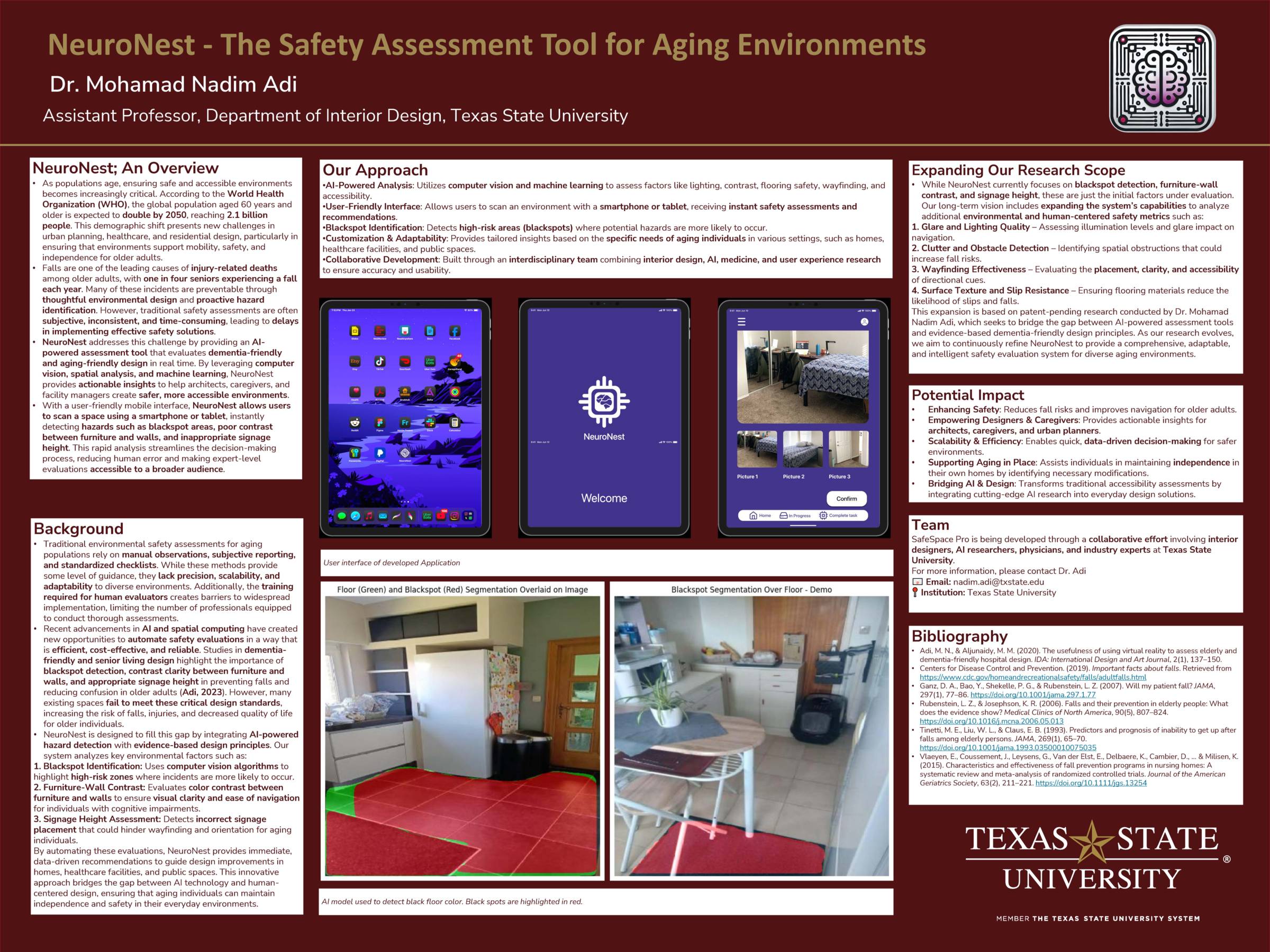
NuroNest addresses this challenge by providing an AI-powered assessment tool that evaluates dementia-friendly and aging-friendly design in real time. By leveraging computer vision, spatial analysis, and machine learning, NuroNest provides actionable insights to help architects, caregivers, and facility managers create safer, more accessible environments.
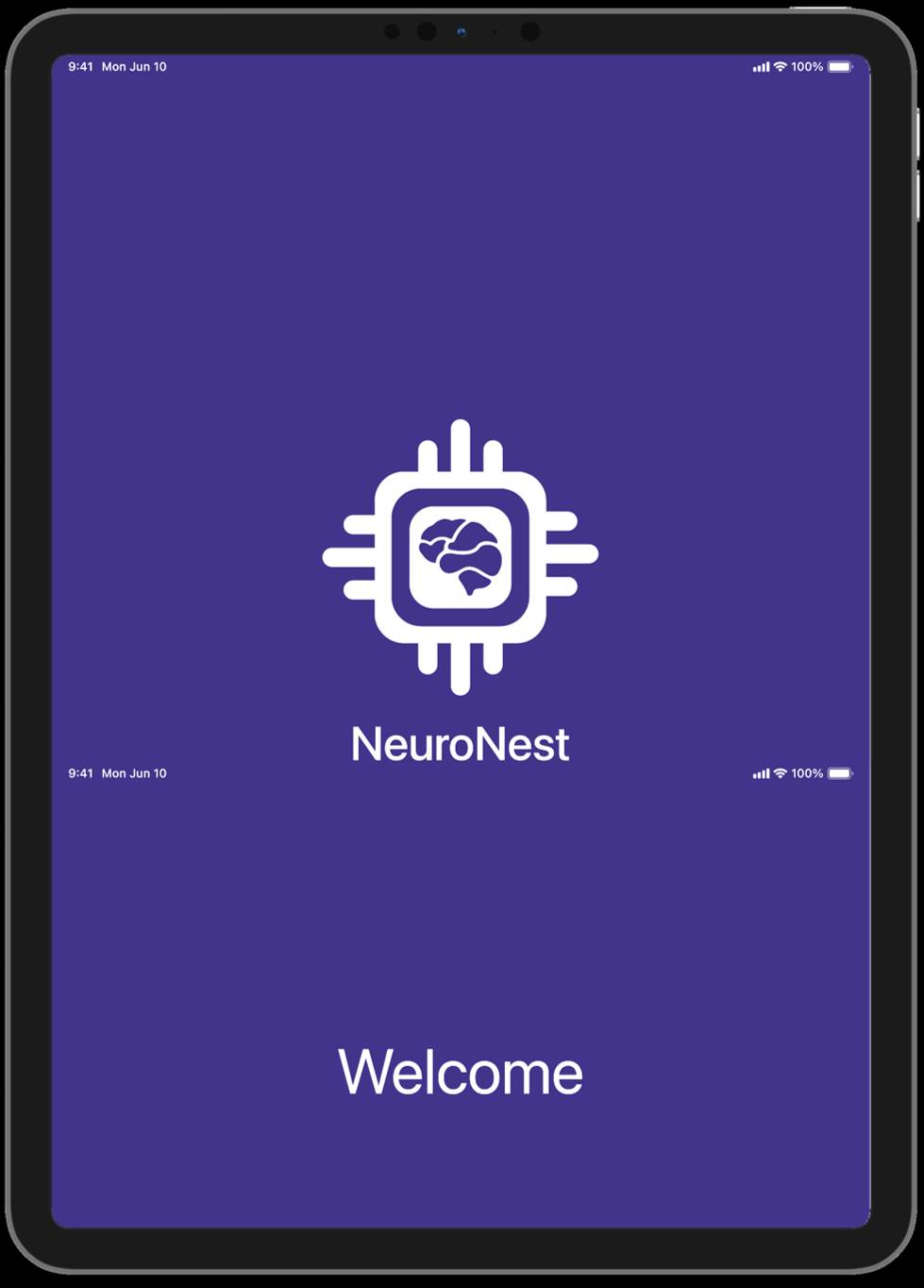
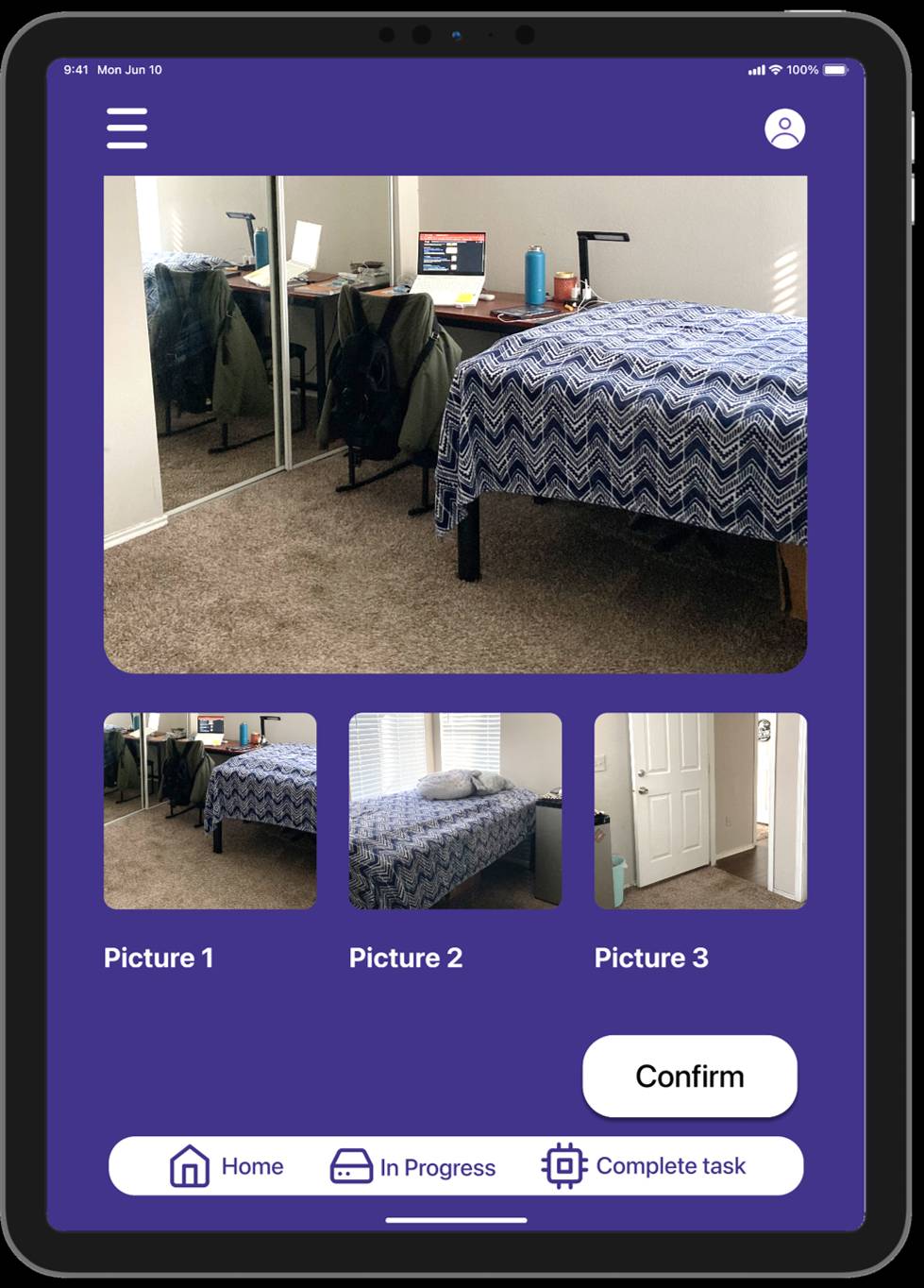
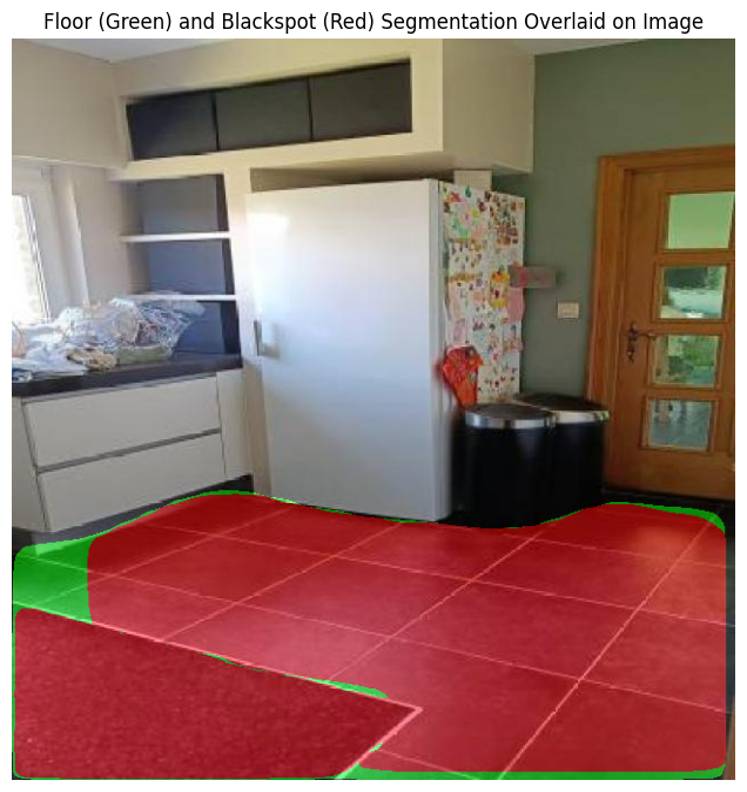
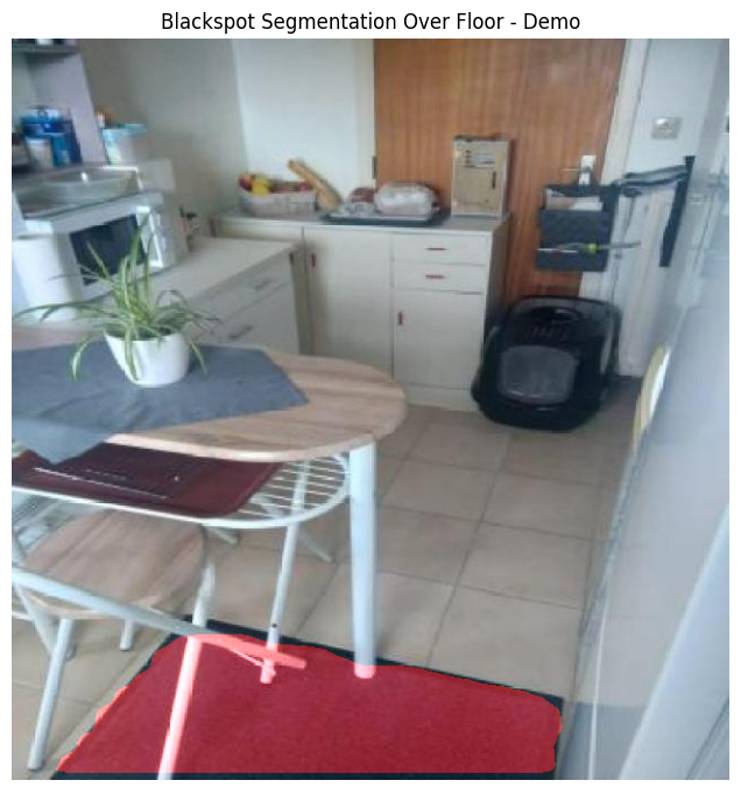
With a user-friendly mobile interface, NuroNest (formally named ‘NeuroNest') allows users to scan a space using a smartphone or tablet, instantly detecting hazards such as blackspot areas, poor contrast between furniture and walls, and inappropriate signage height. This rapid analysis streamlines the decision-making process, reducing human error and making expert-level evaluations accessible to a broader audience.
The project is progressing toward a functional prototype, with plans to expand its assessment capabilities as research continues.
Gallery
Research Team
Faculty Lead: Dr. Mohamad Nadim Adi, Assistant Professor, Department of Interior Design, School of Family and Consumer Sciences. (nadim.adi@txstate.edu)
Collaborators: Student developers and research assistants supported through the CADS Data & AI Lab, Researchers and collaborators in computer science, health, and aging-related disciplines.
Collaboration Opportunities
The team welcomes opportunities to collaborate in areas including:
- Pilot testing
- Dataset development
- AI model refinement
- Aging and dementia care partnerships
- Home, clinical, and senior living implementation
Organizations and researchers interested in collaborating are encouraged to connect with Dr. Mohamad Nadim Adi directly at nadim.adi@txstate.edu.